

School Bus Safety Statistics & Transportation Safety Trends
Understanding school bus safety statistics and transportation safety trends helps school districts make informed decisions regarding driver training, transportation policies, safety technology, and operational management.
The TAG App Understands the Challenges Facing Modern School Transportation
bus safety statistics and transportation safety trends helps school districts make informed decisions
Every day, millions of students rely on school buses to travel safely between home and school. While school buses remain one of the safest forms of transportation in the United States, school districts continue to face growing challenges related to driver behavior, distracted driving, stop-arm violations, student accountability, transportation visibility, and operational safety.
Transportation Directors, School Administrators, Fleet Managers, and Safety Coordinators are increasingly focused on reducing risk, improving driver performance, and strengthening student safety throughout the transportation journey.
Understanding school bus safety statistics and transportation safety trends helps school districts make informed decisions regarding driver training, transportation policies, safety technology, and operational management.
School Transportation Remains One of the Safest Forms of Travel
School buses are specifically designed to protect students through rigorous safety standards, professional driver training, and transportation procedures.
However, transportation departments still face daily operational risks involving:
- Driver behavior
- Distracted driving
- Speeding
- Stop-arm violations
- Student loading and unloading
- Parent communication
- Fleet maintenance
- Route management
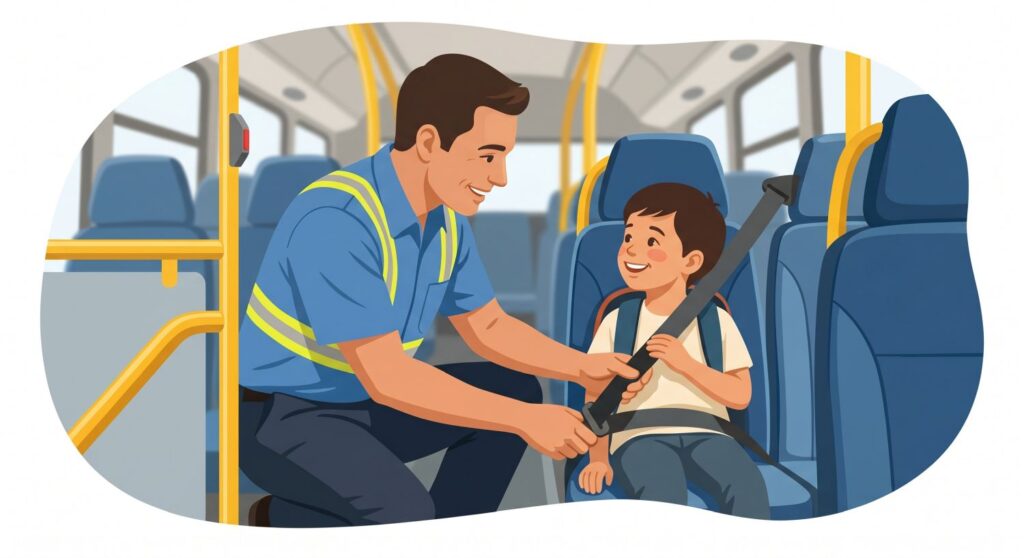
While serious incidents are relatively rare, transportation leaders continuously seek opportunities to improve safety and reduce preventable risks.
School Bus Accident Statistics
School buses remain one of the safest forms of transportation in the United States. According to federal transportation safety data, students are significantly safer traveling to and from school by school bus than by passenger vehicle.
Despite this strong safety record, school transportation departments continue to face transportation safety challenges that require ongoing attention and proactive management.
Common factors contributing to school transportation incidents include:
- Distracted driving
- Speeding
- Tailgating
- Following too closely
- Driver fatigue
- Stop-arm violations
- Student loading and unloading incidents
- Pedestrian safety concerns
- Fleet maintenance issues
- Traffic congestion and roadway hazards
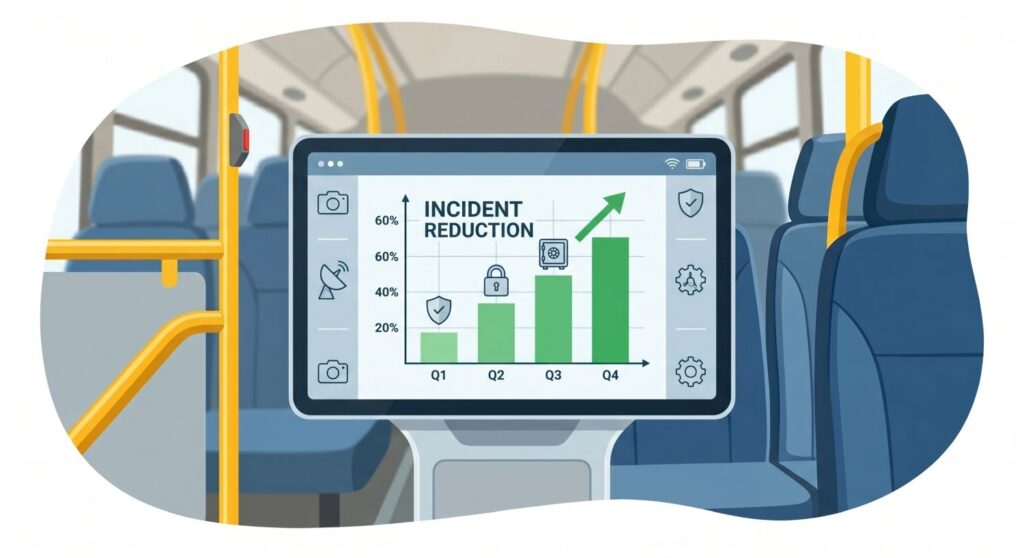
While fatal school bus accidents are relatively uncommon, thousands of school bus crashes and transportation-related incidents are reported nationwide each year. Many of these incidents involve other motorists, roadway conditions, driver behavior factors, or operational challenges that can often be addressed through improved safety programs, driver coaching, and transportation technology.
As school districts continue to prioritize transportation safety, there is growing emphasis on identifying risks before incidents occur rather than simply reacting after an accident has happened.
Technology now plays a critical role in helping school districts identify unsafe driving behaviors, monitor transportation activity, improve communication, and support safer transportation operations.
Key Transportation Safety Trends
Transportation agencies nationwide continue to focus on:
- Driver behavior monitoring
- Distracted driving prevention
- School bus stop safety
- Student accountability systems
- School bus GPS tracking
- AI safety camera technology
- Parent communication platforms
- Fleet maintenance and diagnostics
- Transportation safety reporting
- Driver coaching and performance improvement
Driver Behavior Continues to Be a Leading Transportation Safety Concern
Industry studies consistently show that driver behavior remains one of the most important factors influencing transportation safety outcomes.
Common driver-related risks include:
- Distracted driving
- Cell phone usage
- Drowsy driving
- Speeding
- Tailgating
- Following too closely
- Failure to maintain lane position
- Failure to recognize changing road conditions
- Aggressive driving behaviors
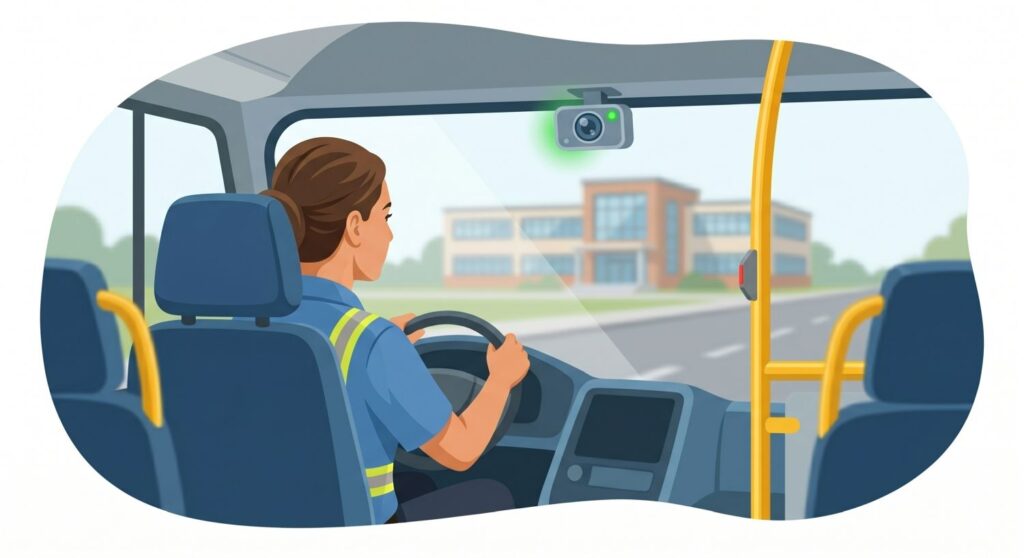
Transportation departments that actively monitor driver performance are better positioned to identify risky behaviors before they contribute to accidents or safety incidents.
Even experienced drivers can develop habits that increase transportation risk over time.
Why Driver Behavior Matters
By monitoring driver behavior and providing ongoing coaching, school districts can:
- Reduce preventable incidents
- Improve driver awareness
- Strengthen safety culture
- Improve accountability
- Reduce liability exposure
Distracted Driving Trends
Distracted driving continues to be one of the leading causes of roadway incidents nationwide.
Common distractions include:
- Mobile devices
- In-cab distractions
- Eating or drinking
- Conversations
- Fatigue-related inattention
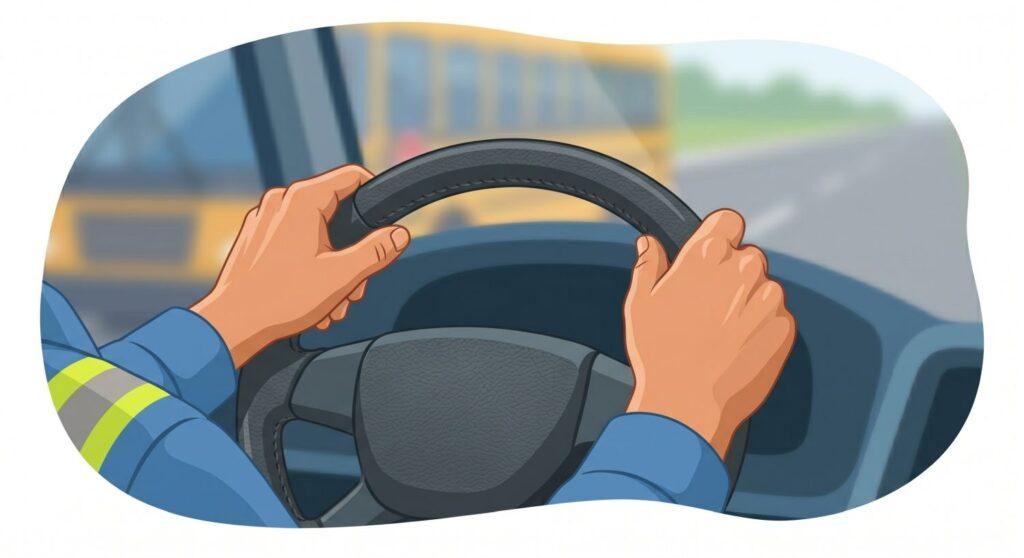
For school transportation departments, even a brief distraction can have serious consequences. Transportation leaders are increasingly implementing AI safety cameras, driver monitoring technology, and coaching programs that help identify distracted driving behaviors before incidents occur.
Tailgating and Following Distance Safety
Maintaining a safe following distance is critical for school bus operations.
Large buses require additional stopping distance and reaction time, particularly during:
- Heavy traffic
- Adverse weather
- Construction zones
- Student loading and unloading activities
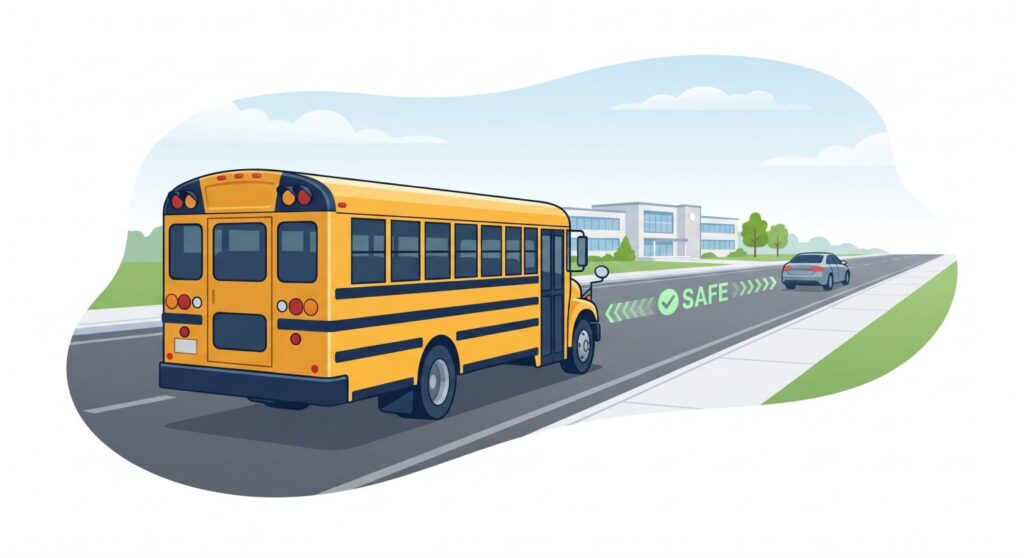
Tailgating remains one of the most common risky driving behaviors identified through transportation safety monitoring systems. Improving following distance awareness can significantly reduce accident risk and improve overall transportation safety.
Speeding and Traffic Compliance Trends
Speeding continues to be a major contributor to roadway incidents nationwide.
School buses regularly travel through:
- School zones
- Residential neighborhoods
- Construction zones
- High pedestrian traffic areas
Modern transportation safety programs increasingly focus on:
- Speed monitoring
- Posted speed limit recognition
- Driver coaching
- Traffic violation prevention
- Driver performance reporting
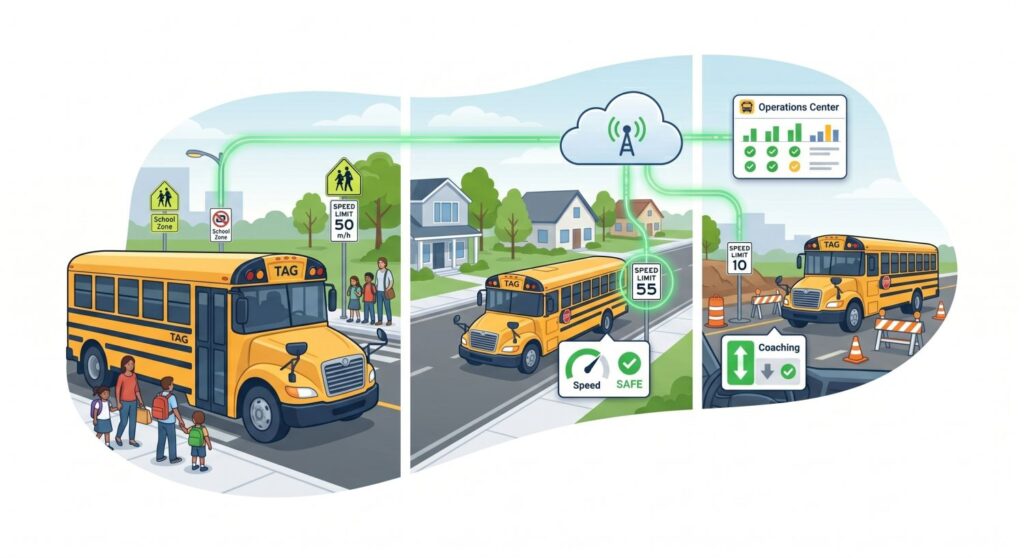
Maintaining safe operating speeds helps protect students, drivers, and the communities served by school transportation departments.
Construction Zone Safety
Construction zones create unique transportation safety challenges. Temporary lane shifts, reduced speed limits, changing traffic patterns, and increased congestion can significantly increase accident risk.
Transportation departments are placing greater emphasis on:
- Work zone awareness
- Temporary speed limit compliance
- Driver alert systems
- Route planning
- GPS route monitoring
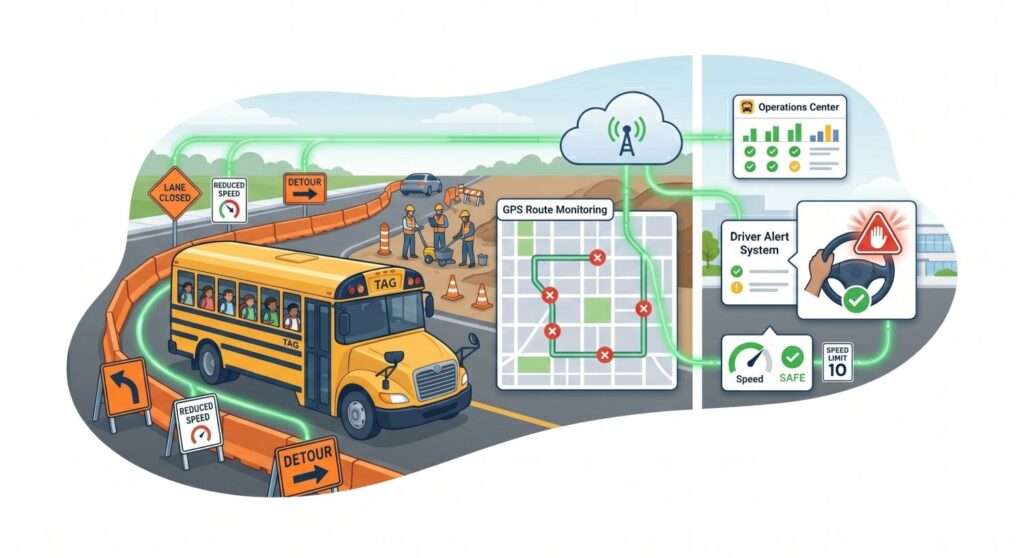
These efforts help improve safety for students, drivers, and other motorists.
Stop-Arm Violation Trends
Illegal passing of stopped school buses remains one of the greatest threats to student safety.
Every year, transportation departments report thousands of incidents involving motorists who ignore stop-arm signals and pass buses while students are loading or unloading.
Safety Strategies Include
- Stop-arm camera systems
- Driver awareness programs
- Public education campaigns
- Transportation safety initiatives
- AI safety monitoring
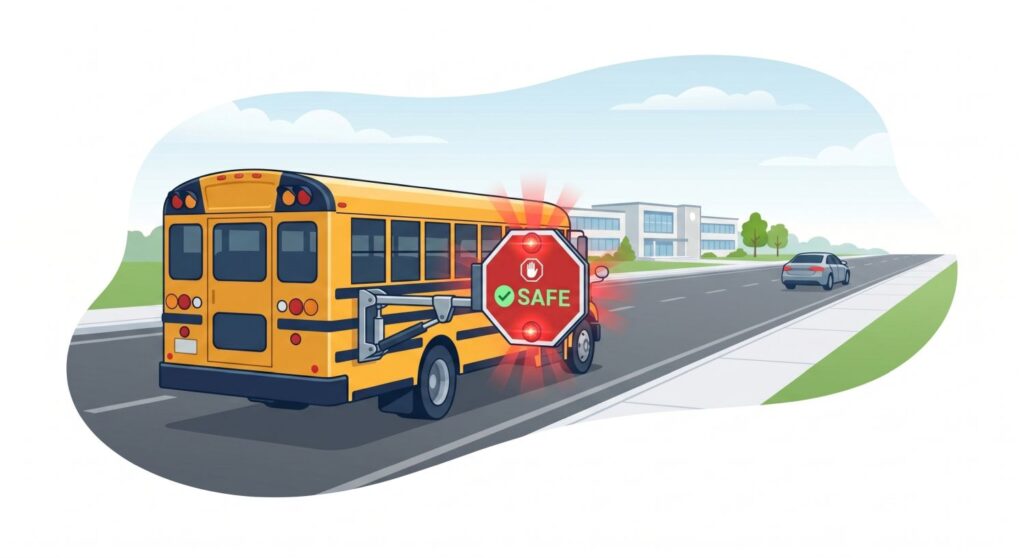
Protecting students during loading and unloading remains a top priority for school districts nationwide.
Student Accountability and Transportation Safety
Knowing where students are throughout their transportation journey is a critical component of school transportation safety.
Transportation departments increasingly rely on technology to verify:
- Student boarding activity
- Student exit activity
- Bus assignments
- Route assignments
- Transportation attendance
- Student ridership history
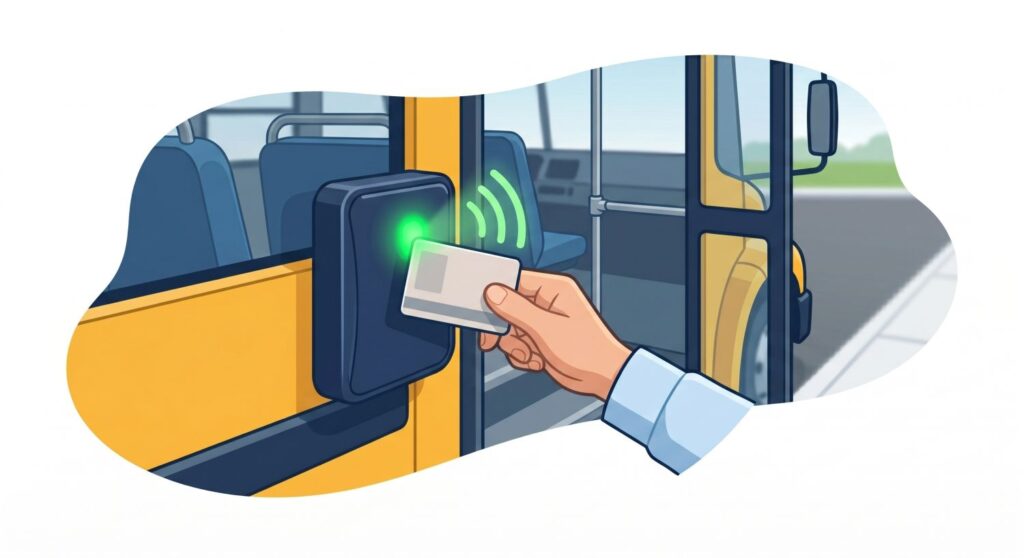
Student accountability systems help improve safety, reduce investigations, and provide greater visibility into daily transportation operations.
Parent Communication Trends
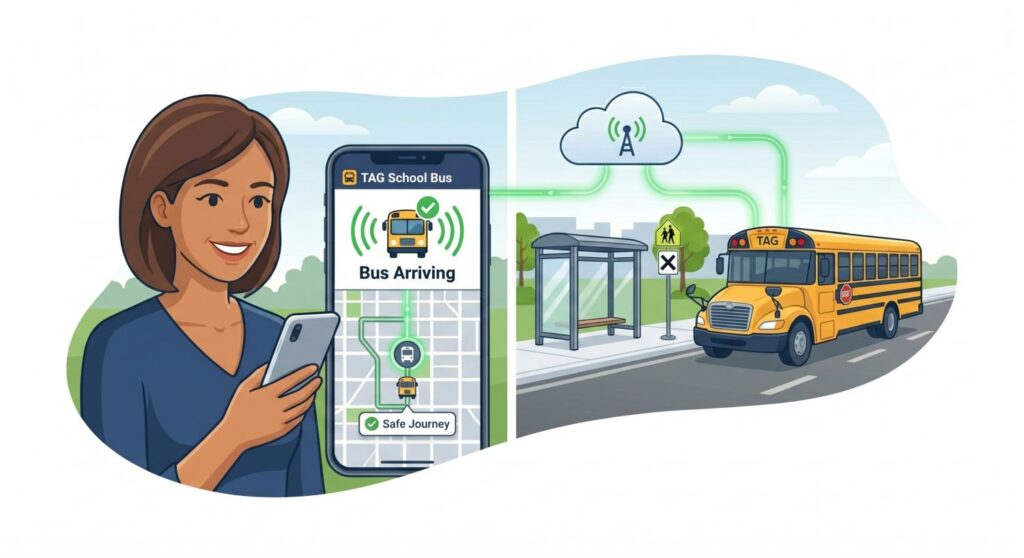
Parent expectations regarding school transportation communication continue to evolve.
Families increasingly expect access to:
- Real-time bus information
- School bus arrival notifications
- Route delay alerts
- Student boarding notifications
- Student exit notifications
- Transportation status updates
School districts that provide transportation visibility and communication tools often experience:
- Improved parent satisfaction
- Reduced transportation office call volume
- Increased trust
- Greater transparency
Technology Is Transforming School Transportation Safety
Transportation departments are increasingly adopting technology solutions to improve safety, accountability, and operational efficiency.
Student Ridership Tracking
Improve student accountability and transportation visibility.
Parent Communication Apps
Provide real-time transportation information to families.
School Bus GPS Tracking
Improve route visibility and operational awareness.
AI Safety Cameras
Monitor driver behavior and improve transportation safety.
Transportation Management Platforms
Improve operational oversight and efficiency.
Fleet Management & Vehicle Diagnostics
Improve fleet reliability and reduce downtime.
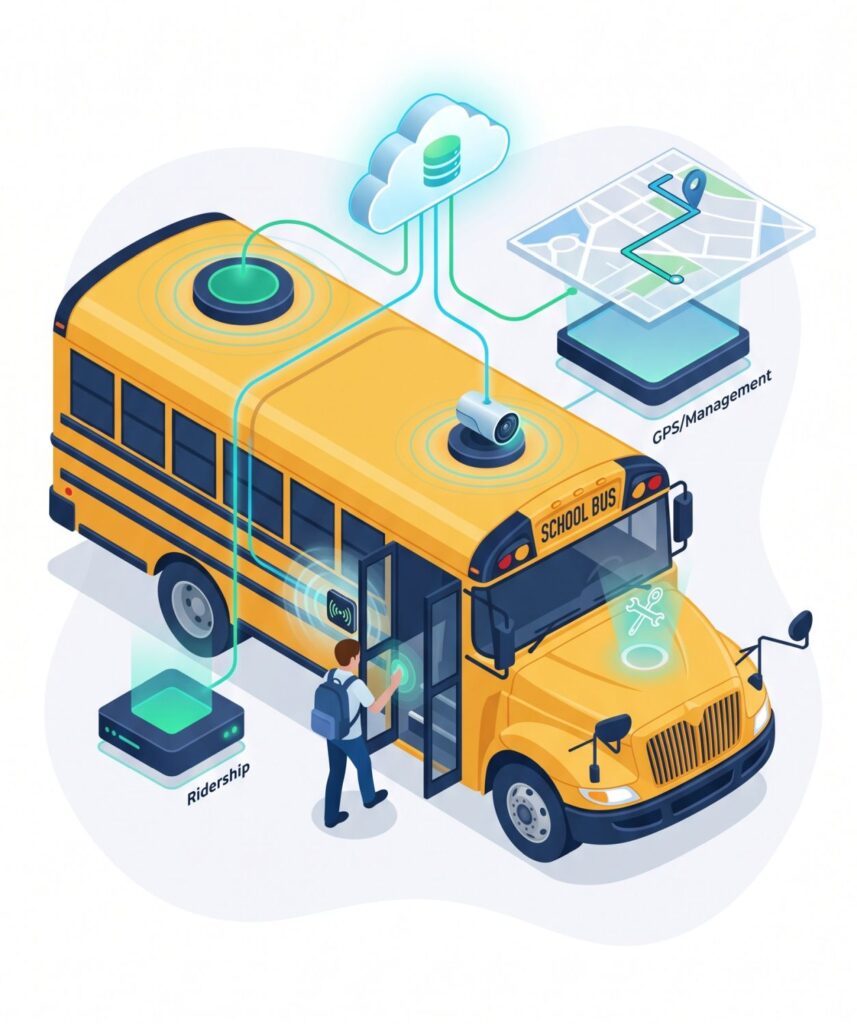
How TAG School Bus Supports Transportation Safety
TAG School Bus was designed to help school districts improve student safety, transportation accountability, driver performance, and operational visibility.
The platform combines:
- Student Ridership Tracking & Transportation Safety
- Parent App for School Transportation
- Transportation Visibility & GPS Tracking
- AI Safety Cameras
- Transportation Management
- Fleet Management & Vehicle Diagnostics
By bringing these solutions together within a single platform, school districts can strengthen transportation safety while improving communication, accountability, driver performance, and operational efficiency.